
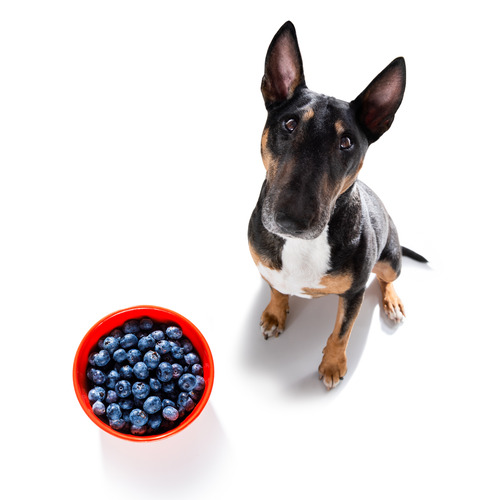
Blueberries are a tasty, bite-sized fruit that many pet owners love to snack on, but can dogs eat blueberries, too? Yes, dogs can safely eat blueberries in moderation. These small fruits are packed with antioxidants, fiber, and vitamins that can support your dog’s health when added to a balanced diet. However, like all treats, they should be given thoughtfully to avoid digestive upset or other issues. If you’ve ever wondered whether blueberries make a good snack for your pet, this guide explains the benefits, potential risks, and how to safely offer them to your dog.
Are Blueberries Good for Dogs?
Blueberries offer a variety of nutrients that support your dog’s overall health. They are considered one of the healthiest fruits your pet can eat, thanks to their low-calorie and high-nutrient profile.
Rich in Antioxidants
Antioxidants are compounds that help protect the body from damage caused by free radicals, which are unstable molecules that can contribute to aging and various health conditions. Blueberries are especially rich in antioxidants like vitamin C and anthocyanins, which give the berries their deep blue color. For dogs, these nutrients may help promote cellular health and support immune system function.
High in Fiber
A handful of blueberries can provide a small boost of dietary fiber, which supports digestive health and helps maintain regular bowel movements. Fiber can also help your dog feel fuller longer, which may benefit those prone to overeating or gaining weight.
Packed with Vitamins and Minerals
Blueberries contain vitamins C and K, along with minerals such as manganese, which supports bone and joint health. These nutrients play a role in your dog’s overall vitality, helping to maintain healthy tissues and metabolic processes.
Low in Calories and Fat
For pet owners who enjoy rewarding their dogs with treats, blueberries make an excellent low-calorie alternative to store-bought snacks. Because they are naturally sweet without added sugar, they’re ideal for pets that need to maintain a healthy weight.
When Are Blueberries Bad for Dogs?
While blueberries are safe for most dogs, there are a few risks to consider before adding them to your pet’s diet.
Digestive Upset
Feeding your dog too many blueberries at once can lead to stomach upset, gas, or diarrhea due to the fruit’s natural fiber and sugar content. Always introduce new foods gradually and monitor your dog’s response.
Choking Hazard for Small Dogs
Although blueberries are small, they can still pose a choking risk, especially for toy breeds or puppies. To reduce this risk, consider mashing or cutting the blueberries in half before serving.
Avoid Sweetened or Processed Blueberries
Dogs should only eat fresh, frozen, or unsweetened blueberries. Avoid giving them blueberry-flavored foods or products with added sugars, artificial sweeteners (especially xylitol), or preservatives, as these can be harmful.
Allergic Reactions
While rare, some dogs can develop sensitivities or allergies to certain fruits. If your dog experiences itching, swelling, or digestive issues after eating blueberries, stop feeding them and contact your veterinarian for guidance.
How to Safely Serve Blueberries to Your Dog
There are several safe and enjoyable ways to offer blueberries to your dog, depending on their preferences and dietary needs.
Fresh Blueberries
The simplest way to serve blueberries is fresh from the container. Wash them thoroughly to remove any dirt or pesticide residue, then offer a few as a snack or training reward.
Frozen Blueberries
Frozen blueberries can be a refreshing summer treat, especially for dogs that enjoy cool snacks. However, for smaller dogs, allow them to thaw slightly or slice them in half to prevent choking.
Mashed or Mixed with Food
You can mash a few blueberries and mix them into your dog’s regular food. This is a great way to add extra flavor and nutrients without overfeeding.
Homemade Dog Treats
Many pet owners enjoy incorporating blueberries into homemade treats, such as frozen yogurt bites or baked biscuits. When making dog-friendly recipes, skip any ingredients that contain sugar, salt, or artificial additives.
How Many Blueberries Can Dogs Eat?
Portion control is key when introducing new foods to your pet’s diet. Blueberries should make up only a small percentage of your dog’s daily calorie intake.
- Small dogs: 2–4 blueberries per day
- Medium dogs: 5–8 blueberries per day
- Large dogs: 8–10 blueberries per day
Because every dog’s tolerance is different, start with a small portion and observe how your pet reacts. If they tolerate the fruit well, you can gradually increase the amount within these general limits.
Can Puppies Eat Blueberries?
Yes, puppies can eat blueberries once they’re old enough to eat solid food. Their developing bodies can benefit from the vitamins and antioxidants in this fruit. However, puppies have sensitive stomachs, so start with one or two berries at a time and monitor for any signs of discomfort. Always consult your veterinarian before making significant changes to your puppy’s diet.
Blueberry Alternatives for Dogs
If your dog doesn’t enjoy blueberries or can’t tolerate them, several other fruits can provide similar health benefits. Safe alternatives include:
- Apples (remove seeds and core)
- Strawberries
- Watermelon (seedless)
- Bananas (in moderation)
- Raspberries
These fruits offer vitamins, fiber, and hydration without the added sugar or preservatives found in processed treats. Always feed fresh or frozen fruit without added sweeteners.
Fun Ways to Use Blueberries as Treats
Adding blueberries to your dog’s snack routine doesn’t have to be boring. Try these creative ways to include them in your pet’s diet.
Blueberry Ice Cubes
Freeze a few blueberries in water or low-sodium chicken broth for a hydrating, cooling treat during warm weather.
Training Rewards
Because of their small size, blueberries make excellent low-calorie training treats. They’re easy to carry and don’t crumble like baked treats.
Blueberry Smoothie for Dogs
Blend blueberries with plain yogurt and a splash of water to create a creamy, dog-friendly smoothie. Serve in moderation as an occasional treat.
Getting Expert Advice About Your Dog’s Nutrition
Although blueberries are generally safe, it’s wise to consult your veterinarian if your dog has existing health concerns or dietary restrictions. Dogs with diabetes, digestive issues, or food sensitivities may need individualized guidance before adding fruit to their diet. If your dog experiences vomiting, diarrhea, or any unusual behavior after eating blueberries, contact Glenwood Pet Hospital for support.
Adding a Healthy Boost to Your Dog’s Routine
Offering your dog fresh blueberries is an easy and nutritious way to add variety to their diet. Whether you serve them as a training treat, a frozen snack, or mixed into their regular food, these berries can be a healthy supplement to their daily nutrition. Moderation is key. Think of blueberries as a special reward rather than a main meal component. If you have any questions about your dog’s diet or want to learn more about healthy food options, our team at Glenwood Pet Hospital in Erie, Pennsylvania is glad to help. Call (814) 864-3019 or book an appointment online today to discuss your dog’s nutritional needs and keep them thriving year-round.