Many people believe cats love milk, but the truth is more complicated. So, can cats drink milk safely? In most cases, no. While kittens drink milk from their mothers, most adult cats lose the ability to properly digest lactose, the natural sugar in milk. Drinking milk can lead to stomach upset, diarrhea, and other digestive issues. Although the image of a cat happily lapping from a bowl of milk is classic, it’s often not healthy for your feline friend.
Why Do People Think Cats Can Drink Milk?
The idea that cats can drink milk comes from long-standing myths and imagery. For decades, cartoons, books, and advertisements have shown cats with bowls of milk, reinforcing the idea that milk is a treat. Historically, barn cats may have licked leftover cream from milk pails, giving the appearance that milk is a normal part of a cat’s diet.
However, cats in the wild never encounter cow’s milk. Their digestive systems are designed to process the nutrients found in animal prey, not dairy products. When domesticated cats drink milk, their bodies often react poorly because they lack the enzymes needed to break down lactose.
Lactose and the Feline Digestive System
Kittens produce lactase, an enzyme that breaks down lactose in milk. As they grow and transition to solid food, their bodies naturally produce less lactase. Without it, lactose passes undigested through the intestines, drawing water into the gut and leading to loose stools or diarrhea. This process is known as lactose intolerance, and it’s common in adult cats.
What Happens If a Cat Drinks Milk?
If your cat drinks milk, even a small amount, you might notice some digestive changes within 8–12 hours. The reaction can range from mild discomfort to noticeable gastrointestinal upset.
Common Symptoms of Lactose Intolerance in Cats
- Diarrhea or loose stools
- Gas or bloating
- Abdominal discomfort
- Increased thirst
- Lethargy after drinking milk
These symptoms occur because the undigested lactose ferments in the gut, causing gas and irritation. Over time, repeated exposure can lead to dehydration or inflammation in the digestive tract.
Long-Term Effects
Even if your cat doesn’t show an immediate reaction, regularly giving milk can cause long-term problems. Extra calories from milk can contribute to weight gain, and chronic digestive upset can interfere with nutrient absorption. For cats with sensitive stomachs, dairy may trigger or worsen preexisting conditions.
Are Any Types of Milk Safe for Cats?
Some pet owners wonder whether lactose-free or plant-based milks are safer alternatives. While a few may be tolerated better than cow’s milk, not all are safe or nutritious for cats.
Lactose-Free Cow’s Milk
Lactose-free milk removes or breaks down lactose, making it easier for cats to digest. However, it still contains fat, sugar, and calories that cats don’t need. Occasional small amounts may not harm your cat, but it shouldn’t replace fresh water or a balanced diet.
Goat’s Milk
Goat’s milk has slightly less lactose than cow’s milk, but it’s not lactose-free. Some cats may tolerate it better, but others may still experience stomach upset. Its nutritional value doesn’t outweigh the potential digestive issues.
Plant-Based Milks
Almond, soy, oat, and coconut milks are not good options for cats. Many of these products contain additives, flavorings, or sweeteners that can upset your cat’s stomach or be toxic. For example, some almond milks include xylitol, which is dangerous for pets. Additionally, plant-based milks lack the essential proteins and nutrients cats need to thrive. If you want to treat your cat, it’s best to choose a product made specifically for felines such as a vet-approved cat milk treat. These are formulated without lactose and are safe in moderation.
What Should Cats Drink Instead of Milk?
The best drink for any cat, regardless of age or breed, is clean, fresh water. Water supports every vital bodily function and helps maintain healthy kidneys and urinary health.
Encouraging Your Cat to Drink More Water
Some cats are picky about drinking, especially if they eat mostly dry food. Here are a few ways to promote better hydration:
- Offer multiple water bowls around your home.
- Try a pet water fountain to encourage curiosity and drinking.
- Use shallow, wide bowls made of ceramic or stainless steel.
- Add a small amount of water or low-sodium broth to their wet food.
Cats that eat mostly canned food often get more moisture in their diet naturally, which supports hydration and urinary health.
Milk and Kittens: A Different Story
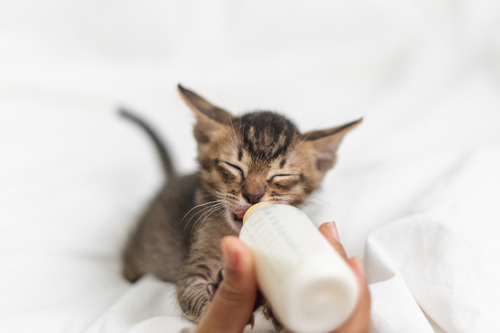
When it comes to kittens, the rules are different. Kittens rely on their mother’s milk for nutrition during their first few weeks of life. Mother’s milk contains essential antibodies and nutrients that help them grow strong and healthy.
What If a Kitten Can’t Nurse?
If a kitten is orphaned or unable to nurse, veterinarians typically recommend kitten milk replacer (KMR). KMR formulas mimic the composition of a mother cat’s milk, offering the right balance of fat, protein, and vitamins. Cow’s milk, on the other hand, lacks essential nutrients and can cause diarrhea in kittens, which can quickly lead to dehydration. It’s important to feed kittens the right formula and follow proper feeding schedules for their age and size. Always consult a veterinarian for guidance before introducing any milk substitute.
Why Cats Are Drawn to Milk
Even though cats shouldn’t drink milk, many are naturally attracted to it. The rich fat content appeals to their sense of smell and taste. However, that enjoyment doesn’t mean it’s healthy. Cats are obligate carnivores, meaning they require nutrients found in meat, not dairy. Their attraction to milk is similar to how humans enjoy certain foods that aren’t necessarily good for them. A small lick may not cause harm, but regularly allowing your cat to drink milk can lead to digestive discomfort and unnecessary calories.
Healthy Treat Alternatives for Cats
If you want to give your cat a special treat, there are plenty of safe options that won’t upset their stomach.
Better Alternatives to Milk Treats
- Cat milk treats: Lactose-free and formulated for cats.
- Wet cat food: Provides hydration and satisfies cravings.
- Freeze-dried meat treats: High in protein and low in additives.
- Catnip or cat grass: Stimulates curiosity and digestion.
Offering these alternatives keeps your cat’s diet balanced and their digestive system healthy.
Helping Your Cat Stay Healthy and Hydrated
So, can cats drink milk? Most adult cats shouldn’t. While the occasional lick might not cause harm, milk can upset their digestive system and provide unnecessary calories. The safest, healthiest way to care for your cat is to ensure they have access to fresh water and a well-balanced diet. If you’re ever unsure about what’s safe to give your cat, the team at Glenwood Pet Hospital in Erie, Pennsylvania, is happy to guide you. Call (814) 864-3019 or book an appointment online to talk with your veterinarian about your cat’s nutritional needs and get personalized recommendations for safe, satisfying treats.