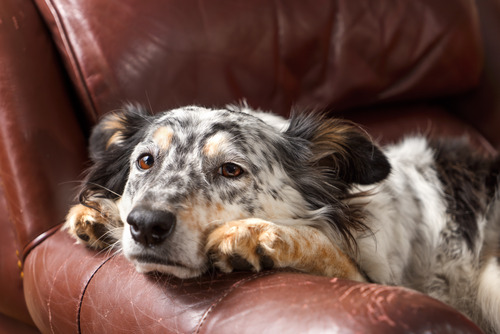
Dogs are known for their boundless energy, so when your normally active companion seems unusually tired or uninterested in playtime, it’s natural to worry. Dog lethargy refers to an overall lack of energy, motivation, or enthusiasm for normal activities such as walking, eating, or playing. While occasional tiredness after an active day is normal, persistent or unexplained lethargy may signal an underlying health issue that deserves attention.
If you notice your pet slowing down, sleeping more than usual, or showing a sudden disinterest in daily routines, it’s time to pay attention. Let’s explore what causes dog lethargy, when to contact your veterinarian, and how Glenwood Pet Hospital in Erie, Pennsylvania, can help identify what’s really going on.
What Does Lethargy in Dogs Look Like?
Every dog has lazy days now and then, but dog lethargy goes beyond needing extra rest. A lethargic dog often seems distant or disinterested in things they normally enjoy. They may refuse food, ignore toys, or skip walks altogether. Their reactions might be slower, and their usual spark may seem dimmed. While lethargy can appear gradually, it sometimes occurs suddenly. Pet owners often describe their dogs as “just not themselves.” These changes can be subtle at first, so paying close attention to behavior over several days helps you recognize when something is off.
Common Signs of Dog Lethargy
- Unusual tiredness or reluctance to move
- Decreased interest in play or walks
- Longer or more frequent naps
- Slower response to commands or attention
- Changes in appetite
- Difficulty standing, walking, or climbing stairs
Even mild symptoms can signal an issue that needs evaluation, especially if they persist or worsen.
Common Causes of Dog Lethargy
There isn’t one single reason for dog lethargy. Instead, it can result from a wide range of factors, some minor, others more serious. Understanding these possibilities helps pet owners know when to seek professional care.
Environmental and Emotional Factors
Dogs can become lethargic when they feel stressed or anxious. Moving to a new home, changes in routine, or the loss of a companion (human or animal) can impact their mood and behavior. Just like people, dogs can experience emotional fatigue that looks like physical tiredness. Weather also plays a role. Hot, humid conditions can drain a dog’s energy, while cold or rainy days may reduce their activity levels.
Physical Health and Underlying Conditions
Sometimes, dog lethargy stems from a medical issue. Common health-related causes include:
- Infections: Viral, bacterial, or parasitic infections can leave a dog weak and tired.
- Pain or Injury: Discomfort from arthritis, sprains, or muscle strain can lead to inactivity.
- Metabolic Disorders: Conditions like diabetes or thyroid imbalance often cause fatigue.
- Heart or Lung Problems: Reduced oxygen circulation makes a dog tire easily.
- Organ Disease: Liver or kidney disease can reduce energy and appetite.
Because so many conditions share the same symptom, professional evaluation is the safest way to determine what’s happening.
Age-Related Changes
Senior dogs naturally slow down, but ongoing lethargy may still point to pain or illness. Age-related conditions such as arthritis, heart disease, or cognitive decline can all reduce energy levels. Even though some decrease in activity is normal with age, a sharp change shouldn’t be ignored.
Red Flags It’s Time to Contact Your Erie Veterinarian
If your dog’s low energy lasts more than a day or two, or if it’s accompanied by other changes, contacting your veterinarian is the best step. Lethargy combined with symptoms such as vomiting, diarrhea, loss of appetite, or labored breathing requires prompt attention. At Glenwood Pet Hospital, your veterinarian will perform a thorough examination and may recommend diagnostic tests like bloodwork, X-rays, or urinalysis to uncover the cause of your dog’s lethargy. The goal is to identify what’s behind your pet’s fatigue so the right treatment can begin.
Situations That Warrant an Immediate Call
- Rapid or shallow breathing
- Collapse or difficulty standing
- Refusal to eat or drink for more than 24 hours
- Persistent vomiting or diarrhea
- Signs of pain, such as whining or limping
- Pale gums or visible weakness
If you’re unsure whether your dog’s behavior is serious, it’s always safer to call (814) 864-3019 or schedule an appointment online.
How Veterinarians Evaluate Dog Lethargy
When you bring your dog to Glenwood Pet Hospital, your veterinarian will start by gathering a detailed history of your pet’s health, behavior, and recent activities. Even small details such as changes in diet, travel, or new medications can help narrow down the cause.
The Physical Examination
A full physical exam allows your veterinarian to check for pain, fever, or abnormalities in your dog’s heart, lungs, and abdomen. They’ll assess hydration levels, gum color, and body temperature, as these indicators often reveal internal changes before outward symptoms appear.
Diagnostic Testing
To get a clearer picture, your veterinarian may suggest:
- Bloodwork: Evaluates organ function, blood cell health, and infection indicators.
- Urinalysis: Detects kidney issues or dehydration.
- X-rays or Ultrasound: Identifies internal injuries or disease.
- Heart Tests: Checks for conditions that affect circulation and energy levels.
These tests help rule out serious problems and guide the next steps in care.
Supporting Your Dog Through Recovery
Once your veterinarian determines the cause of dog lethargy, following their recommendations is key to helping your pet feel better. Some dogs may need rest, medication, or dietary adjustments, while others might require more extensive treatment plans. Even after medical evaluation, creating a comfortable and supportive environment helps your dog regain strength. Offer plenty of water, maintain a consistent schedule, and monitor their energy levels each day. Note any changes and share them with your veterinary team during follow-up visits.
Rest and Observation
A quiet, low-stress environment allows your dog to recover more comfortably. Avoid overstimulation and heavy activity until your veterinarian confirms it’s safe to resume normal routines.
Nutrition and Hydration
Fresh water and balanced meals are important during recovery. Monitor your pet’s eating and drinking habits closely as changes in appetite can reveal whether they’re improving or not.
Preventing Lethargy and Promoting Long-Term Vitality
Although some causes of dog lethargy can’t be avoided, regular wellness visits play a key role in maintaining your pet’s energy and overall health. Preventive care allows your veterinarian to catch early signs of illness before they progress into more serious conditions. Schedule annual checkups, stay up to date on vaccines and parasite prevention, and talk to your veterinary team about any lifestyle changes your pet experiences. These steps build a strong foundation for your dog’s long-term well-being.
Glenwood Pet Hospital in Erie, Pennsylvania, provides personalized preventive care and diagnostic services designed to help your pet stay healthy and active through every stage of life. If your dog seems more tired than usual or not acting like themselves, give us a call at (814) 864-3019 or book an appointment online today. Your dog’s energy tells a story, so let’s make sure it’s one of good health.