
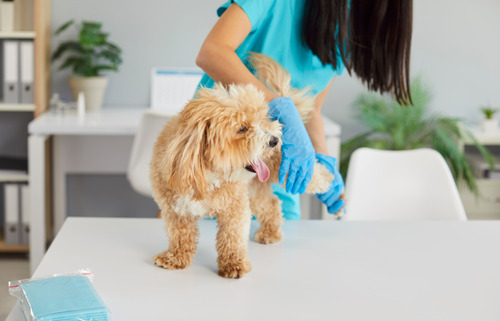
When you notice your dog limping on a back leg, it usually signals discomfort or pain that shouldn’t be ignored. Limping can result from anything as simple as a strained muscle or as serious as a joint injury. While some causes of a dog limping on a back leg are temporary, others may point to underlying issues that require veterinary care. Understanding what’s happening and when to call your veterinarian at Glenwood Pet Hospital in Erie, Pennsylvania, can make all the difference in your pet’s comfort and recovery.
Recognizing Limping in Dogs: What It Means
Limping, also known as lameness, refers to any irregular gait or favoring of one leg over another. When a dog limps on a back leg, it often means they’re avoiding putting weight on that limb due to pain, weakness, or injury. You might notice them hopping slightly, hesitating to climb stairs, or sitting in unusual positions. In some cases, the limp might come and go, depending on the severity and type of injury. A dog limping on a back leg can appear suddenly (acute) or develop gradually (chronic). A sudden limp might follow a high-energy activity like running or jumping, while a gradual limp could indicate an ongoing problem such as arthritis or hip dysplasia. Paying attention to when and how the limp started helps your veterinarian determine the cause more efficiently.
Potential Causes of Sudden Limping in Dogs
Several conditions can cause a dog to limp on a back leg. Some are mild and temporary, while others may be more serious and require prompt veterinary attention.
Soft Tissue Injuries (Sprains and Strains)
One of the most common causes of a dog limping on a back leg is a soft tissue injury. Just like humans, dogs can overextend or twist a muscle or ligament during play or exercise. Sprains affect the ligaments that connect bones, while strains involve muscles or tendons. You might notice swelling, sensitivity when you touch the leg, or reluctance to walk. Although minor strains can improve with rest, persistent or worsening lameness should be evaluated by your veterinarian. This helps rule out more severe injuries like ligament tears or fractures.
Cruciate Ligament Tears
A torn cranial cruciate ligament (CCL) is one of the most frequent orthopedic issues causing a dog to limp on a back leg. The CCL, similar to the ACL in humans, stabilizes the knee joint. When it tears, dogs often hold the affected leg off the ground or put very little weight on it. This injury can occur suddenly, especially in active dogs, or develop gradually as the ligament weakens over time. Without proper care, the condition can worsen and lead to arthritis in the affected knee.
Luxating Patella
A luxating patella happens when the kneecap slips out of its normal groove. This condition is often seen in small breeds but can occur in any dog. You might notice your dog suddenly skip or hop on one back leg, then walk normally again after a few steps. The severity varies, but repeated episodes can cause discomfort and long-term joint problems. Your veterinarian can assess the degree of patellar luxation and discuss appropriate treatment options based on your pet’s needs.
Hip Dysplasia
Hip dysplasia is a hereditary condition that causes the hip joint to develop abnormally, leading to instability and arthritis over time. Dogs with hip dysplasia may limp on a back leg, have difficulty getting up, or sway their hips while walking. Larger breeds such as Labrador Retrievers and German Shepherds are especially prone to hip dysplasia, but it can affect dogs of any size. Regular checkups and early diagnosis can help your veterinarian manage discomfort and slow disease progression.
Arthritis and Degenerative Joint Disease
As dogs age, the cartilage that cushions their joints can wear down, leading to inflammation and stiffness. Arthritis is one of the most common reasons older dogs limp on a back leg. You may see subtle changes like reluctance to jump, slower movement, or stiffness after resting. While arthritis cannot be cured, early management and lifestyle adjustments can significantly improve your dog’s mobility and quality of life.
Paw or Nail Injuries
Sometimes the cause of a dog limping on a back leg is as simple as a cut, splinter, or torn nail. Dogs who run on rough surfaces or spend time outdoors may injure the paw pad or get something stuck between their toes. A quick inspection can reveal visible debris, redness, or swelling. However, if your dog resists handling or the limp persists, your veterinarian should examine the leg to ensure nothing more serious is at play.
Diagnosing the Cause of Limping
Determining why your dog is limping on a back leg requires a thorough examination by your veterinarian. Because several conditions share similar symptoms, accurate diagnosis is essential to choosing the right treatment plan.
Physical Examination
Your veterinarian will start by observing your dog’s gait, checking for swelling, tenderness, or differences between limbs. They may gently move each joint to identify stiffness or pain.
Diagnostic Imaging
If the cause isn’t immediately clear, diagnostic imaging such as X-rays or ultrasound may be recommended. These tests help visualize bones, joints, and soft tissues to identify fractures, dislocations, or ligament injuries.
Advanced Testing
In some cases, advanced diagnostic tools like CT scans or MRI may be used to examine joint structures or spinal alignment more closely. Laboratory tests, such as bloodwork, can help rule out infections or systemic conditions that contribute to lameness.
When Should You Call Glenwood Pet Hospital?
If your dog is limping on a back leg for more than 24 hours or the limp appears suddenly after an activity, it’s time to call your veterinarian. Other signs that indicate an urgent need for care include:
- Refusal to bear weight on the leg
- Visible swelling or deformity
- Crying or whining when moving
- Open wounds or bleeding
- Limping accompanied by lethargy or loss of appetite
Our team at Glenwood Pet Hospital in Erie, PA, can evaluate your pet’s condition and determine the safest path forward. Call (814) 864-3019 or book an appointment online to schedule your visit. Prompt attention helps prevent minor injuries from developing into more serious conditions.
Supporting Your Dog’s Comfort and Recovery
Once your veterinarian identifies the cause of your dog’s limp, following their guidance will be key to recovery. Rest, controlled activity, and proper pain management can make a significant difference in how quickly your dog feels better. In some cases, your veterinarian may recommend physical therapy, joint supplements, or lifestyle changes to protect your pet’s joints long-term. Regular checkups also play an important role in maintaining joint health and preventing future injuries.
Promoting Long-Term Mobility and Health
Caring for a dog limping on a back leg doesn’t end once the limp improves. Consistent, proactive care helps prevent recurring injuries and supports your pet’s long-term mobility. Keep your dog at a healthy weight, provide regular low-impact exercise, and schedule routine wellness exams at Glenwood Pet Hospital. With professional guidance, your dog can continue living an active, happy life free from unnecessary discomfort. If your dog has started limping or showing signs of pain, don’t wait to get answers. Call (814) 864-3019 or book an appointment online to have your dog evaluated by our veterinary team in Erie, Pennsylvania.