Reverse sneezing in dogs is a sudden series of rapid, noisy inhalations through the nose, usually set off by irritation in the back of the throat or nasal passages, and most episodes are harmless and pass within a minute. If you have ever watched your dog freeze in place, stretch out their neck, and make a loud honking or snorting sound, you have probably seen one firsthand. The noise can be alarming, and many owners worry that their pet is choking or can’t breathe. At Glenwood Pet Hospital in Erie, PA, we hear questions about this behavior often, especially during spring and fall allergy seasons. Learning what reverse sneezing in dogs looks like, what tends to trigger it, and when it deserves a closer look will help you stay calm in the moment and know when to reach out to your veterinarian. Below, we cover the common causes, how veterinarians tell it apart from more serious breathing problems, and the treatment options available for dogs with frequent episodes.
What Is Reverse Sneezing in Dogs?
Veterinarians call this behavior paroxysmal respiration, but most pet owners know it by its more familiar name. During a normal sneeze, a dog pushes air out through the nose to clear an irritant. A reverse sneeze works the opposite way: your dog pulls air in forcefully and repeatedly, often in short bursts, as the body tries to clear something from the area where the nasal passages meet the throat.
The soft palate, the soft tissue at the back of the roof of the mouth, can spasm when it becomes irritated. That spasm briefly narrows the airway, which is why the sound sounds so dramatic. Once the spasm relaxes, breathing returns to normal and most dogs go right back to playing or sniffing around as though nothing happened.
What an Episode Looks and Sounds Like
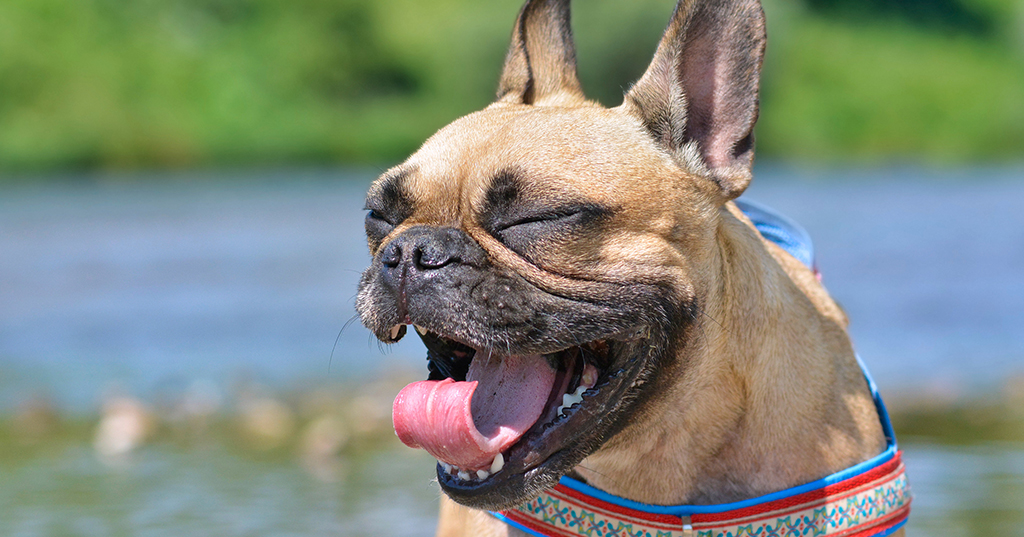
Recognizing the classic pattern makes it much easier to tell reverse sneezing in dogs apart from true respiratory distress. During a typical episode, you may notice your dog:
- Standing still with elbows spread apart and head extended forward
- Making a loud snorting, honking, or gagging noise with each inhale
- Widening their eyes or appearing briefly startled
- Breathing normally again within a few seconds to about a minute
Small breeds such as Chihuahuas, Yorkshire Terriers, and Pugs seem especially prone to these episodes, along with flat-faced (brachycephalic) breeds whose soft palates tend to be longer. That said, any dog of any size or age can experience reverse sneezing from time to time. For the vast majority of pets, reverse sneezing in dogs is an occasional quirk rather than a sign of illness.
What Causes a Dog to Reverse Sneeze?
Almost anything that tickles or inflames the upper airway can bring on an episode. In many cases, the cause is something simple and temporary, but some dogs have an underlying condition that keeps the irritation going.
Everyday Triggers
Many owners start to notice patterns once they know what to watch for. Common triggers for reverse sneezing in dogs include:
- Excitement, such as greeting visitors or getting ready for a walk
- Pulling hard against a collar and leash
- Eating or drinking too quickly
- Sudden temperature changes, like stepping out into cold Lake Erie air
- Airborne irritants including pollen, dust, perfume, smoke, and cleaning products
Underlying Health Issues
When episodes become frequent, a medical issue may be involved. Seasonal or environmental allergies can cause postnasal drip that irritates the throat. Nasal mites, a small parasite that lives in the nasal passages, can also lead to repeated episodes along with sneezing and nasal discharge. Grass awns and other foreign objects sometimes get lodged in the nose during outdoor adventures. Less commonly, nasal polyps, infections, or growths in the nasal cavity may play a role, which is why a veterinary exam matters when the pattern changes.
Anatomy also plays a part. Dogs with shorter muzzles and narrower airways have less room for error, so even minor swelling or mucus can set off an episode. Weight gain, dental disease, and changes in the home environment, such as a new air freshener or a recent remodeling project, can contribute as well. Because so many factors overlap, reverse sneezing in dogs often has more than one contributing cause, and sorting them out is easier with a veterinarian’s help.
How Do Veterinarians Diagnose Reverse Sneezing?
Diagnosis usually starts with a conversation and a careful physical exam. Because episodes rarely happen on cue in the exam room, your observations at home carry a lot of weight.
Why a Video Helps So Much
One of the most useful things you can do is record an episode on your phone and bring it to your appointment. A short video lets your veterinarian hear the sound, see your dog’s posture, and confirm whether the behavior matches reverse sneezing in dogs or points toward something else. Jot down when episodes happen, how long they last, and anything that seemed to set them off.
Ruling Out Other Respiratory Conditions
Several conditions can sound similar, so your veterinarian will work to rule them out. Tracheal collapse, common in toy breeds, often produces a goose-honk cough. Kennel cough, heart disease, and lower airway disease can also cause coughing or labored breathing that owners sometimes mistake for reverse sneezing. Listening to the heart and lungs and examining the mouth, throat, and nose helps narrow things down.
If episodes are frequent, worsening, or accompanied by other symptoms, your veterinarian may recommend additional diagnostics. These can include chest or skull X-rays, allergy testing, bloodwork, or rhinoscopy, a procedure that uses a small camera to look inside the nasal passages. In some cases, advanced imaging such as a CT scan gives a clearer view of the nasal cavity and sinuses. The goal is to confirm reverse sneezing in dogs and identify any condition that keeps triggering it.
How Is Reverse Sneezing Treated?
For most dogs, no medical treatment is needed at all. Occasional episodes tend to resolve on their own, and your dog is usually back to normal within moments.
What You Can Do During an Episode
Your reaction matters more than you might think. Dogs pick up on our stress, so staying calm and speaking to your pet in a relaxed voice can help. Keep your dog in a safe, quiet spot until the episode passes, and try to get it on video if you can. Over time, tracking triggers can reveal useful patterns. Some owners find that switching from a collar to a well-fitted harness or reducing exposure to strong scents makes a noticeable difference.
When Your Veterinarian Recommends Treatment
If your dog’s episodes stem from an underlying problem, treatment focuses on that cause. Depending on the diagnosis, your veterinarian may prescribe medication to manage allergies or inflammation, treat nasal mites, address an infection, or remove a foreign object from the nasal passages. Dogs with brachycephalic airway concerns may benefit from a discussion about longer-term management options.
Signs That Warrant a Prompt Visit
While reverse sneezing in dogs is usually benign, call your veterinarian if you notice:
- Episodes that become longer, more frequent, or more intense over time
- Nasal discharge, especially if it is bloody, thick, or comes from one nostril
- Pale, blue, or gray gums or tongue
- Labored breathing, collapse, or coughing between episodes
- Reduced appetite, lethargy, or pawing at the face
Any sign of true difficulty breathing is an emergency and needs immediate veterinary attention.
Getting Answers About Your Dog’s Reverse Sneezing in Erie, PA
Watching your dog snort and honk their way through an episode can be unsettling, but knowing the difference between a harmless spasm and a real breathing problem gives you peace of mind. Most cases of reverse sneezing in dogs come and go without any lasting effects, yet frequent or changing episodes deserve a professional evaluation to rule out allergies, nasal mites, foreign objects, or other airway conditions.
The team at Glenwood Pet Hospital is here to help Erie pet owners sort out what is normal and what needs attention. Our veterinarians can review your videos, examine your dog, and recommend diagnostics or treatment if an underlying cause is involved. If your dog’s reverse sneezing has you concerned, call Glenwood Pet Hospital at (814) 864-3019 to schedule an appointment. We look forward to helping your dog breathe easy and get back to enjoying every walk along the lake.