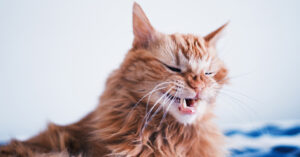
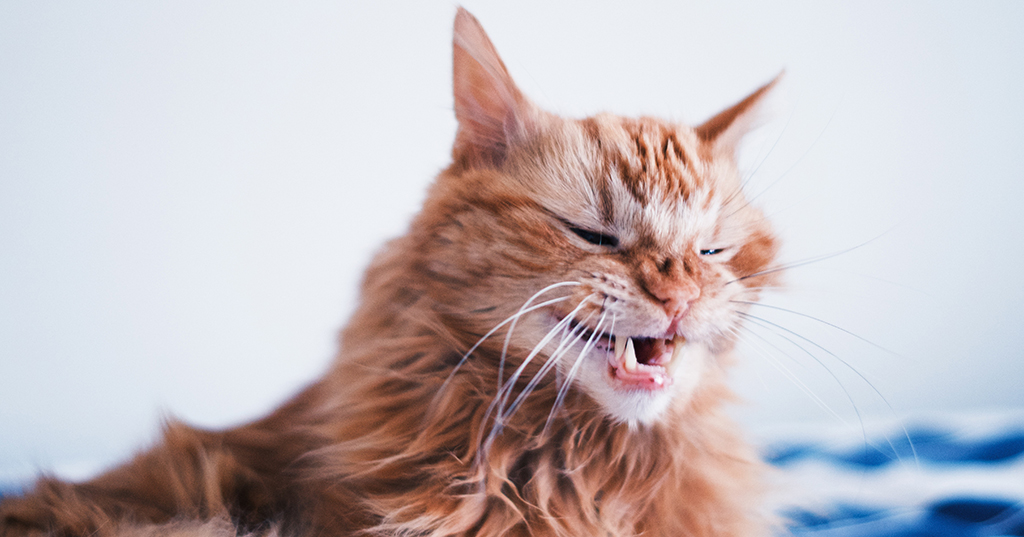
Occasional cat sneezing is usually harmless and often caused by dust, a strong scent, or a tickle in the nose, but frequent sneezing can signal an upper respiratory infection, allergies, dental disease, or another condition that needs veterinary care. The difference usually comes down to how often it happens and what other symptoms show up alongside it. A single sneeze after your cat sniffs a dusty corner is nothing to worry about. A cat sneezing day after day with runny eyes, nasal discharge, or a poor appetite is a different story. At Glenwood Pet Hospital in Erie, PA, we help cat owners sort out ordinary sniffles from problems that deserve a closer look. In this article, we explain why cats sneeze, the most common causes, the warning signs that call for a visit, and how veterinarians diagnose and treat sneezing in cats.
Why Is My Cat Sneezing?
Sneezing is the body’s way of clearing irritants from the nasal passages. Just like people, cats sneeze when something tickles the delicate lining inside the nose, and most of the time the sneeze does its job and life goes on.
Normal Sneezes vs. Ongoing Sneezing
A few sneezes now and then, especially after playing, rolling in a sunny spot, or investigating a cabinet, fall well within normal behavior. The picture changes when cat sneezing becomes frequent, comes in fits or bursts, or continues for more than a few days. Persistent sneezing tells you that something is irritating or inflaming the nasal passages on an ongoing basis.
Is It Really a “Cold”?
Cats can’t catch a cold from people, but they do get their own version: feline upper respiratory infections, often called URIs. These infections behave much like a human cold, with sneezing, congestion, watery eyes, and nasal discharge. They spread easily between cats, which is why they are especially common in shelters, multi-cat households, and kittens. Many cases are mild, but some can become serious, particularly in young, older, or immune-compromised cats.
It also helps to pay attention to what your cat’s nose produces. Clear discharge often points to irritation or an early viral infection, while thick yellow or green discharge may suggest a secondary bacterial infection. Discharge from only one nostril can indicate a localized problem such as a foreign object, tooth root infection, or growth.
Sneezing, Coughing, or Something Else?
Owners sometimes confuse sneezing with other respiratory sounds. A sneeze is a sudden burst of air out through the nose. A cough comes from the chest or throat and often looks like hacking with the neck extended, which can point to asthma or other lower airway issues. Some cats also make snorting sounds when congested. Recording a short video of your cat sneezing or coughing can help your veterinarian tell these patterns apart.
Causes of Sneezing in Cats
Many different issues can lead to cat sneezing, ranging from minor irritants to chronic disease. Identifying the cause shapes every decision about treatment.
Infections
Viral infections are the most common reason for frequent sneezing. Feline herpesvirus and feline calicivirus account for the majority of feline URIs. Herpesvirus is notable because cats that recover often carry the virus for life, and flare-ups can return during times of stress. Bacterial organisms such as Bordetella, Mycoplasma, and Chlamydia can cause infections on their own or complicate a viral illness. Less commonly, fungal infections like cryptococcosis affect the nasal passages.
Household Irritants
Your cat’s environment can play a big role. Common irritants that trigger cat sneezing include:
- Dusty or heavily scented cat litter
- Air fresheners, candles, and plug-in diffusers
- Perfume, hairspray, and cleaning products
- Cigarette or fireplace smoke
- Pollen, mold spores, and household dust
Dental and Nasal Problems
Because the roots of the upper teeth sit close to the nasal passages, dental disease and tooth root infections can lead to chronic sneezing and nasal discharge. Foreign objects such as blades of grass can lodge in the nose. Nasal polyps, which are benign growths more common in young cats, and nasal tumors in older cats are less frequent causes that may need specialized testing to identify.
When to See a Veterinarian About Cat Sneezing
Knowing when to schedule a visit protects your cat from complications. As a general rule, sneezing that lasts longer than a few days, keeps returning, or comes with other symptoms deserves a professional evaluation.
Signs That Need Prompt Attention
Call your veterinarian if your cat’s sneezing comes along with any of the following:
- Thick yellow, green, or bloody nasal discharge
- Red, swollen, or squinting eyes with discharge
- Loss of appetite for more than a day
- Lethargy, hiding, or fever
- Mouth ulcers, drooling, or difficulty eating
- Swelling on the face or bridge of the nose
- Labored breathing or open-mouth breathing
Open-mouth breathing or obvious difficulty breathing is an emergency for cats and requires immediate care.
Why Appetite Matters So Much
Cats rely heavily on smell to decide whether food is appealing. A congested cat may stop eating simply because they can’t smell their meals. Going without food can quickly become dangerous for cats and may lead to a serious liver condition, so a sneezing cat who refuses food needs veterinary attention sooner rather than later. Kittens, seniors, and cats with chronic illnesses should also be seen early, even when symptoms seem mild.
How Veterinarians Diagnose and Treat Cat Sneezing
Finding the right treatment starts with understanding what is behind the sneezing. Your veterinarian will consider your cat’s history, lifestyle, and exam findings together.
The Diagnostic Process
Your veterinarian will ask how long the cat sneezing has been going on, whether other cats in the home are sick, and whether there have been recent changes like a new pet, a boarding stay, or a different litter. A physical exam includes a close look at the eyes, nose, mouth, and teeth. If symptoms are severe, persistent, or keep coming back, additional tests may include swabs to identify infectious organisms, bloodwork, dental X-rays, skull imaging, or rhinoscopy, a procedure that uses a small camera to examine the inside of the nose.
Treatment Options
Treatment depends entirely on the cause. Mild viral infections often run their course with supportive care directed by your veterinarian. Cats with secondary bacterial infections may need antibiotics, and some cats with herpesvirus benefit from antiviral medication. Eye medications, fluids, or appetite support may be part of the plan for cats who are feeling especially unwell. Dental disease, polyps, or foreign objects usually require procedures to resolve the problem. For cats with recurring flare-ups, your veterinarian can create a long-term management plan.
Sneezing in Multi-Cat Homes
Because many respiratory infections spread through close contact and shared bowls, one cat sneezing in a multi-cat household can quickly turn into several. Your veterinarian may suggest temporary changes, such as separate food and water dishes or keeping a sick cat in a quiet room, to reduce spread while everyone recovers. Stress management also matters, since stress can trigger herpesvirus flare-ups in cats who carry the virus.
Help for Your Sneezing Cat in Erie, PA
An occasional sneeze is simply part of being a cat, but ongoing cat sneezing deserves attention, especially when it comes with discharge, eye problems, or a change in appetite. Keeping your cat current on core vaccines, including the FVRCP vaccine that protects against herpesvirus and calicivirus, is one of the best ways to reduce the risk of serious respiratory infections.
The veterinary team at Glenwood Pet Hospital is here to help you figure out whether your cat’s sneezing is a passing tickle or something that needs treatment. We can examine your cat, identify the cause, and recommend care that fits their needs. If your cat has been sneezing more than usual, call Glenwood Pet Hospital at (814) 864-3019 to schedule an appointment. We look forward to helping your cat breathe easier and get back to their favorite sunny spots.