
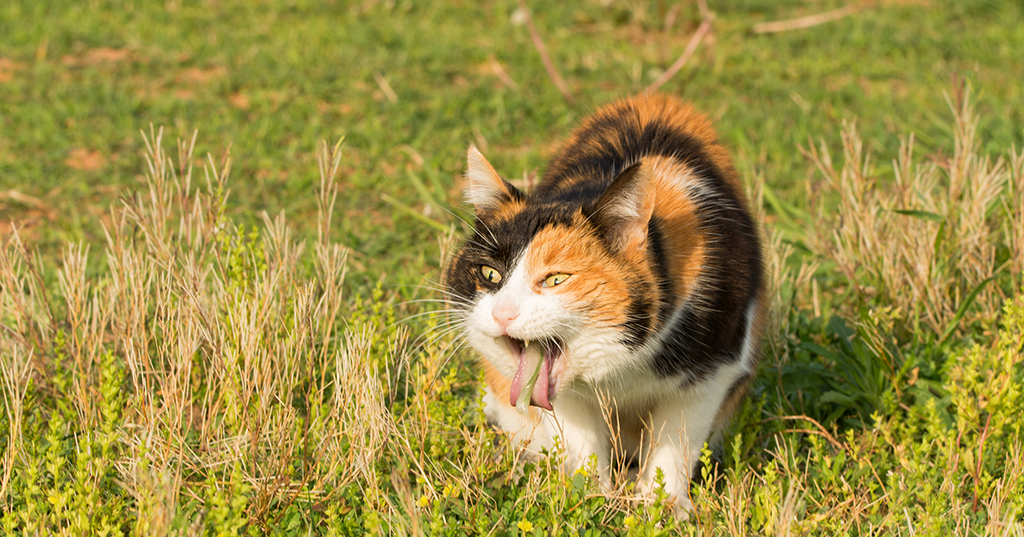
A cat coughing up hairballs once in a while is usually normal, since hairballs form when swallowed fur from grooming collects in the stomach instead of passing through the digestive tract. Frequent hairballs, repeated unproductive retching, or a change in appetite or energy, however, can point to a health problem that needs a veterinarian’s attention. If you have ever heard that unmistakable hacking sound from the next room, you know how unsettling it can be. At Glenwood Pet Hospital in Erie, PA, cat owners often ask us how many hairballs are too many and whether that hacking is really about fur at all. A cat coughing up hairball after hairball may simply be a dedicated groomer, or the behavior may be a clue to skin, digestive, or respiratory issues. Below, we explain why hairballs form, how they affect your cat’s health, practical ways to reduce them, and the warning signs that call for a visit.
What Causes Hairballs in Cats?
Hairballs start with one of your cat’s favorite activities: grooming. A cat’s tongue is covered in tiny, backward-facing barbs called papillae that act like a built-in comb, catching loose fur as your cat cleans itself.
Why Swallowed Fur Builds Up
Most of the hair a cat swallows moves through the digestive system and leaves in the litter box without anyone noticing. When fur collects in the stomach faster than it can pass, it clumps into a wet, tube-shaped mass that veterinarians call a trichobezoar. Your cat then brings it up through a series of hacks and heaves. Despite the name, hairballs are usually long and narrow because they take the shape of the esophagus on the way out.
Factors That Increase Hairball Frequency
Some cats rarely produce hairballs, while others seem to bring one up every week. Common contributors to a cat coughing up hairballs more often include:
- Long or dense coats, as seen in Persians, Maine Coons, and Himalayans
- Seasonal shedding, which often peaks in spring and fall
- Overgrooming caused by stress, boredom, allergies, fleas, or skin conditions
- Slowed digestion or gastrointestinal disease that keeps fur from moving through normally
- Age, since adult cats tend to groom more thoroughly than young kittens
Because several of these factors involve underlying health issues, a sudden increase in hairballs is worth mentioning to your veterinarian rather than assuming it is just a grooming habit. If you notice your cat coughing up hairballs more often after a move, a new pet, or a food change, sharing that timing can help your veterinarian connect the dots.
How Hairballs Affect Your Cat’s Health
An occasional hairball rarely causes lasting harm, but frequent ones can take a toll and sometimes hide more serious conditions.
Digestive Discomfort and Blockages
Repeated vomiting can irritate the esophagus and stomach lining and may leave your cat with a reduced appetite. In rare cases, a hairball becomes too large to pass in either direction and lodges in the stomach or intestines. This type of blockage is a serious medical problem that may require surgery, which is one reason ongoing hairball trouble deserves professional attention.
Effects on Skin, Coat, and Comfort
Frequent hairballs often travel alongside other changes you can spot at home. Cats that overgroom may develop thinning patches, redness, or small scabs, especially along the belly, inner legs, and flanks. Some cats also become less interested in meals after a run of vomiting, which can lead to gradual weight loss. When a cat coughing up hairballs also shows coat or weight changes, the hairballs are usually a symptom of something else, not the main problem.
When It Isn’t Actually a Hairball
One of the most important things for owners to know is that not every episode of hacking involves fur. A cat coughing up hairball after hairball produces something you can see. A cat that crouches low with its neck stretched forward and hacks repeatedly without bringing anything up may be coughing from a respiratory condition such as feline asthma. To an owner, these two situations can look almost identical.
Other issues, including inflammatory bowel disease, food sensitivities, heart disease, and parasites, can also cause vomiting or coughing that gets mistaken for routine hairball activity. If you hear what sounds like a cat coughing up hairballs but nothing comes out, take a short video of the episode. Noting whether anything comes up can give your veterinarian valuable information.
How to Reduce Hairballs in Cats
The good news is that many cats produce fewer hairballs with a few changes to their routine. Prevention focuses on reducing the amount of loose fur your cat swallows and supporting healthy digestion.
Grooming and Coat Care
For a cat coughing up hairballs on a regular basis, coat care is the natural place to start. Regular brushing removes loose hair before your cat can swallow it, and it is the single most effective step most owners can take. Short-haired cats often benefit from brushing a few times a week, while long-haired cats may need daily sessions, especially during shedding season. Some owners of long-haired breeds also schedule periodic professional grooming or a sanitary trim.
Everyday Habits That Make a Difference
Beyond brushing, small adjustments at home can help. Consider these supportive habits:
- Encouraging water intake with fresh bowls or a pet fountain
- Offering daily play sessions and enrichment to reduce boredom-driven grooming
- Keeping up with year-round flea prevention to limit itch-related licking
- Reducing household stressors such as sudden schedule changes or litter box competition
Diet and Veterinary-Recommended Products
Some cats do well on hairball-control diets that contain added fiber to help fur move through the digestive tract. Your veterinarian can tell you whether one of these foods, or a hairball product, makes sense for your cat. Check with your vet before starting any supplement or remedy, since some are not appropriate for cats with certain health conditions. A cat coughing up hairballs less often after these changes is a good sign that prevention is working.
When Should You Be Concerned About Hairballs?
Knowing the difference between a routine hairball and a red flag helps you act quickly when it counts. As a general guideline, many veterinarians suggest scheduling an exam if your cat brings up hairballs more than once or twice a month.
Warning Signs That Need Prompt Attention
Contact your veterinarian promptly if a cat coughing up hairballs also shows any of the following:
- Repeated retching or gagging without producing a hairball
- Loss of appetite or refusing food for more than a day
- Lethargy, hiding, or other unusual behavior
- Constipation, diarrhea, or straining in the litter box
- A swollen, tender, or painful belly
- Hacking episodes accompanied by wheezing or rapid breathing
These symptoms can signal an intestinal blockage, asthma, or another condition that requires diagnosis and treatment. Open-mouth breathing or obvious difficulty breathing in a cat is always an emergency.
What to Expect at the Visit
Your veterinarian will typically start with a thorough history and physical exam, paying close attention to your cat’s skin, coat, abdomen, heart, and lungs. Depending on what they find, they may recommend bloodwork, X-rays, an abdominal ultrasound, or a fecal test. These steps help separate a cat coughing up hairball material from a cat with a respiratory or digestive disease that needs specific care.
How We Can Help With Hairball Issues
An occasional hairball is part of life with a cat, but you shouldn’t have to guess whether frequent hacking is normal. A cat coughing up hairballs regularly, or hacking without producing anything, deserves a closer look so any underlying cause can be found and addressed early.
At Glenwood Pet Hospital, our veterinary team helps Erie cat owners get to the bottom of hairball problems. We can examine your cat, look for skin, digestive, or respiratory conditions, and recommend grooming, diet, or treatment options that fit your cat’s needs. If your cat’s hairballs have become more frequent or something just seems off, call Glenwood Pet Hospital at (814) 864-3019 to schedule an appointment. We are glad to help your cat feel comfortable and get back to grooming, napping, and enjoying life at home.