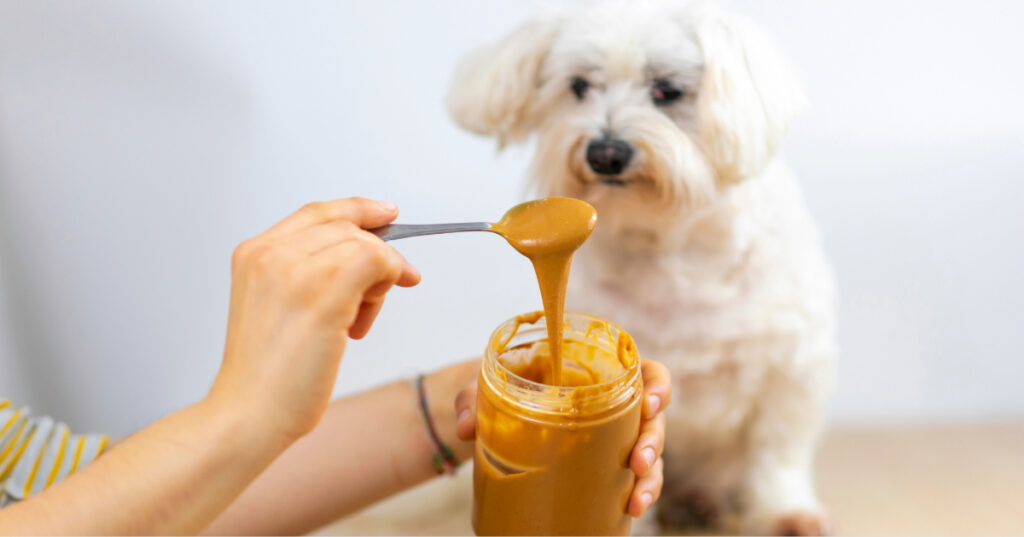
Can dogs eat peanut butter? Yes, most can and most love it. Peanut butter is one of the most popular treats among dog owners, used to stuff Kongs, hide pills, and reward good behavior. But there’s one critical ingredient found in some peanut butters that can be fatal to dogs, and every pet owner needs to know about it. Here’s the full picture on peanut butter and dogs, from what’s safe to what could send you to the emergency vet.
Can Dogs Eat Peanut Butter?
Yes, most dogs can eat peanut butter, but not all peanut butter is safe for dogs. Traditional peanut butter made with just peanuts and salt is generally fine in small amounts as an occasional treat. The danger lies in a specific sweetener called xylitol, which is increasingly used as a sugar substitute in foods marketed as “natural” or “reduced sugar.” Xylitol is highly toxic to dogs and can be life-threatening even in small doses.
What Is Xylitol and Why Is It Dangerous for Dogs?
Xylitol is a sugar alcohol used as a sweetener in many human foods, dental products, and medications. It’s safe for people, but in dogs, xylitol causes the pancreas to release a rapid and massive surge of insulin. This leads to hypoglycemia, which is a dangerous drop in blood sugar, within 30 to 60 minutes of ingestion. In some dogs, xylitol also causes acute liver failure, which can be fatal. Even small amounts can cause serious harm, making it one of the most dangerous food-based toxins for dogs.
Which Peanut Butters Contain Xylitol?
Not all peanut butters contain xylitol, but enough do that you should check every label before giving any to your dog. Some brands specifically marketed as “natural,” “sugar-free,” or “reduced calorie” are the most likely to use xylitol as a sweetener. Always read the ingredients list before sharing peanut butter with your pet. Xylitol may be listed by name or as “birch sugar” or “birch sap.”
Is Peanut Butter Good for Dogs?
When it’s free of xylitol and other harmful ingredients, peanut butter can be a reasonable occasional treat for dogs. It contains protein, healthy fats, niacin, vitamin B6, and vitamin E. That said, it’s also calorie-dense and high in fat, so it should be given sparingly, especially for dogs prone to weight gain or those with pancreatitis or other digestive conditions.
How Much Peanut Butter Can Dogs Eat?
There’s no single universal guideline for how much peanut butter is safe for every dog, as it depends on size, weight, and overall health. As a general principle, treats including peanut butter should make up no more than 10 percent of a dog’s daily caloric intake. A small dog should have far less than a large breed. Your veterinarian at Glenwood Pet Hospital can help you determine an appropriate treat allowance for your specific dog.
Can Puppies Eat Peanut Butter?
Puppies can eat xylitol-free peanut butter in very small amounts. Because puppies are smaller and their bodies are still developing, even tiny amounts of xylitol or excessive fat can cause problems. Use caution, start with minimal amounts, and choose peanut butter with the simplest ingredient list possible.
What Other Ingredients in Peanut Butter Are Bad for Dogs?
Xylitol is the most dangerous ingredient to watch for, but it’s not the only concern. Here are other ingredients to check for when choosing peanut butter for your dog:
- Added sugar — provides no nutritional benefit and contributes to obesity and dental disease
- Salt — high-sodium peanut butters can cause excessive thirst and sodium ion toxicity in large amounts
- Artificial preservatives — some preservatives used in processed peanut butters are not ideal for dogs
- Palm oil — some research suggests palm oil may contribute to gallbladder and digestive issues in dogs
Signs of Xylitol Poisoning in Dogs
If your dog has eaten peanut butter or another product containing xylitol, time is critical. Symptoms of xylitol toxicity in dogs can appear within 30 minutes of ingestion and may include:
- Sudden vomiting
- Weakness, wobbling, or collapse
- Tremors or seizures
- Lethargy or extreme drowsiness
- Loss of coordination
- Yellowing of the skin or eyes (jaundice) in cases of liver involvement
If you suspect your dog has ingested xylitol, do not wait for symptoms. Contact Glenwood Pet Hospital or an emergency veterinary clinic immediately. The ASPCA Animal Poison Control Center (888-426-4435) is also available 24/7.
How to Choose Safe Peanut Butter for Dogs
Choosing a dog-safe peanut butter is simpler than it sounds. Look for a product with the fewest ingredients, ideally just peanuts, or peanuts and a small amount of salt. Avoid any peanut butter labeled sugar-free, reduced sugar, or naturally sweetened without carefully checking the ingredients first.
Reading the Label
Get in the habit of reading the ingredient list every time you buy peanut butter, even if you’ve bought the same brand before. Manufacturers occasionally change formulas without prominent labeling, and the introduction of xylitol can happen without obvious packaging changes.
Dog-Specific Peanut Butters
Several companies now make peanut butter specifically formulated for dogs. These products are typically xylitol-free and may include added supplements. While they’re not necessary if you’re already giving your dog a simple, xylitol-free peanut butter, they’re a convenient option for dog owners who want extra peace of mind.
Talk to Your Vet Before Making Peanut Butter a Regular Treat
Peanut butter can be a fun and rewarding treat for most dogs when the right product is chosen and the quantity is appropriate. But the stakes are high when the wrong product is involved. Before making peanut butter a regular part of your dog’s routine, check in with our team at Glenwood Pet Hospital in Erie, Pennsylvania. Call (814) 864-3019 or book an appointment online. We can help you identify safe treat options and answer any questions about your dog’s diet because informed pet owners raise healthier pets.