Kennel cough is a highly contagious respiratory infection that causes inflammation of a dog’s upper airway and it gets its name from how easily it spreads wherever dogs gather in close quarters. That distinctive honking cough is hard to miss once you’ve heard it, but kennel cough is also easy to misunderstand: many pet owners don’t realize their dog can pick it up at the dog park, the groomer, or even a training class, not just a boarding kennel. Knowing how it spreads, what it looks like, and what kennel cough treatment actually involves can make a real difference in how quickly your dog recovers. Read on for everything Erie, Pennsylvania dog owners need to know, from first symptoms to full recovery, and when it’s time to bring your pup in to the team at Glenwood Pet Hospital.
What Is Kennel Cough?
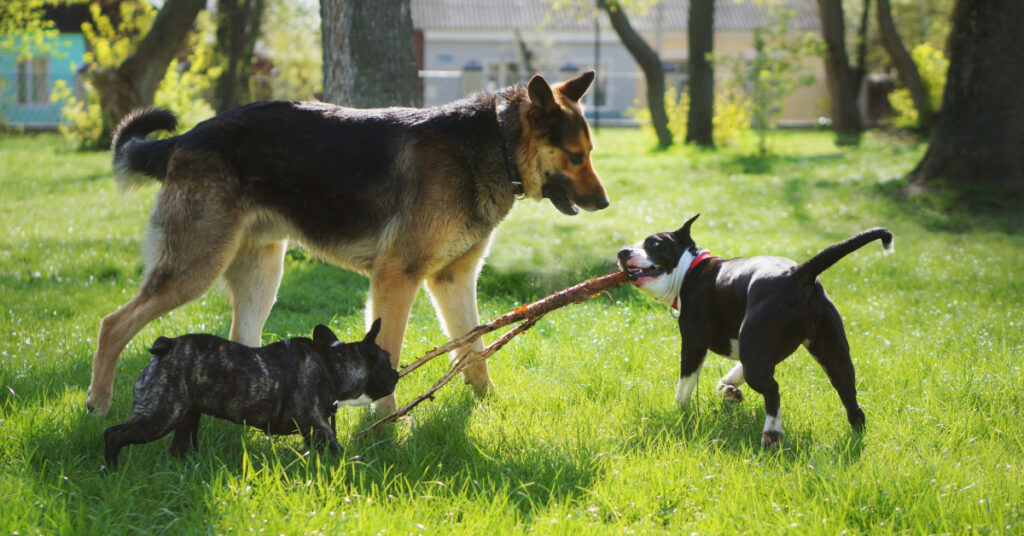
Kennel cough, also known as infectious tracheobronchitis, is a highly contagious respiratory disease that affects dogs. It causes inflammation of the trachea (windpipe) and bronchi (airways), leading to the characteristic cough most people recognize. Despite the name, dogs can catch kennel cough anywhere, not just in kennels. Dog parks, groomers, training classes, and even a casual encounter with an infected dog on a walk can spread the infection.
What Causes Kennel Cough in Dogs?
Kennel cough is typically caused by a combination of viral and bacterial pathogens working together. The most common culprits include Bordetella bronchiseptica (a bacterium), canine parainfluenza virus, and canine adenovirus type 2. Other organisms, including canine respiratory coronavirus and Mycoplasma, may also be involved. This multi-agent nature is part of why kennel cough spreads so easily in environments where dogs congregate.
How Does Kennel Cough Spread?
Kennel cough spreads through direct contact with infected dogs, airborne droplets from coughing or sneezing, and contact with contaminated surfaces like water bowls and kennel fencing. The incubation period is typically three to five days, meaning your dog may have been exposed before any signs of illness appeared. Dogs are most contagious in the early stages of illness.
Kennel Cough Symptoms in Dogs
Knowing the signs of kennel cough helps you act quickly and avoid spreading the illness to other dogs. Most dogs with kennel cough have a characteristic honking or hacking cough, often described as sounding like a goose honk. The cough may be dry and nonproductive or end with a gag or retch. Many dogs with kennel cough continue to eat, drink, and play normally despite the cough.
Other symptoms of kennel cough in dogs may include:
- A persistent dry, hacking cough that worsens with activity or excitement
- Gagging or retching at the end of a coughing episode
- Mild runny nose or eye discharge
- Mild lethargy in some dogs
Symptoms that may indicate a more severe case include:
- Fever, significant lethargy, or loss of appetite
- Thick, discolored nasal discharge
- Cough that is wet or produces mucus
- Labored or rapid breathing
When to See a Vet for Kennel Cough
Many mild kennel cough cases in healthy adult dogs resolve within one to three weeks. However, veterinary evaluation is always a good idea when kennel cough is suspected, both to confirm the diagnosis and to rule out more serious conditions.
Which Dogs Need Kennel Cough Treatment Most Urgently?
Puppies, senior dogs, immunocompromised dogs, and dogs with underlying health conditions are at greater risk of developing complications from kennel cough, including pneumonia. These dogs should see one of our veterinarians at Glenwood Pet Hospital promptly rather than waiting for symptoms to resolve on their own.
Could It Be Something Other Than Kennel Cough?
The kennel cough honk is fairly distinctive, but other conditions including canine influenza, collapsing trachea, heart disease, and foreign bodies in the airway can also cause coughing in dogs. Your vet can examine your dog and perform any necessary diagnostics to make sure you’re treating the right condition.
Kennel Cough Treatment for Dogs
Kennel cough treatment for dogs depends on the severity of the infection and the individual dog’s health status. There is no single universal treatment. The approach is tailored to each dog’s situation.
Mild Kennel Cough: What Typically Happens
In mild cases involving healthy adult dogs, the infection often resolves on its own with rest and reduced activity. Your veterinarian may recommend limiting exercise and avoiding situations that trigger coughing. Using a harness instead of a collar can reduce pressure on the trachea and minimize coughing episodes.
Moderate to Severe Kennel Cough: Medical Treatment
When kennel cough warrants treatment, your veterinarian at Glenwood Pet Hospital may prescribe one or more of the following, depending on what’s found:
- Antibiotics to address the bacterial component of the infection (most commonly Bordetella bronchiseptica)
- Anti-inflammatory medications to reduce airway inflammation and ease coughing
- Cough suppressants to improve comfort and rest
- Nebulization or humidification therapy to soothe the airways
Dogs with suspected pneumonia may require hospitalization, intravenous fluids, and more aggressive antibiotic therapy.
How Long Does Kennel Cough Last?
Most uncomplicated kennel cough cases resolve within one to three weeks in otherwise healthy dogs. With antibiotic treatment, many dogs begin to improve within a few days. However, some dogs, particularly those with Bordetella, can remain contagious for several weeks even after symptoms resolve. Keep recovering dogs away from unvaccinated dogs and high-contact environments until your veterinarian clears them.
Preventing Kennel Cough in Dogs
Vaccination at Glenwood Pet Hospital is the most effective tool for kennel cough prevention. The Bordetella vaccine, which is available as a nasal spray, oral liquid, or injection, significantly reduces the risk of infection and the severity of symptoms if infection does occur. Most boarding facilities, groomers, and training classes require proof of current Bordetella vaccination before accepting dogs.
Other Preventive Measures
Beyond vaccination, there are steps every dog owner can take to reduce kennel cough risk:
- Keep your dog’s vaccines current and talk to our team at Glenwood Pet Hospital about the right vaccination schedule
- Avoid high-risk environments during known kennel cough outbreaks in your area
- Disinfect water bowls, toys, and contact surfaces when multiple dogs share spaces
- Isolate any dog showing respiratory symptoms from other dogs until evaluated by a vet
Getting Your Dog Through Kennel Cough and Back to Full Health
Kennel cough is frustrating to deal with, but most dogs recover fully with proper care. The key is getting a confirmed diagnosis, following your veterinarian’s kennel cough treatment plan, and keeping your dog comfortable and away from other pets during recovery. If you’re in Erie, Pennsylvania and your dog has developed a suspicious cough, call Glenwood Pet Hospital at (814) 864-3019 or book an appointment online. We’ll figure out what’s going on and get them on the road to recovery.