Cat coughing can be alarming, especially if you’ve never heard it before. A coughing cat might sound like they’re choking, hacking up a hairball, or struggling to breathe, and it’s not always easy to tell what’s normal versus what warrants a call to your veterinarian. This guide covers the most common reasons cats cough, what it looks like, and how our team at Glenwood Pet Hospital in Erie, Pennsylvania can help.
What Does Cat Coughing Look Like?
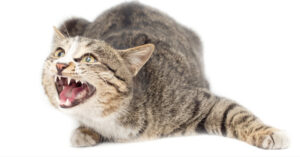
Cat coughing is different from vomiting or hairball hacking, though the behaviors can look similar. When a cat coughs, they typically crouch low, extend their neck forward, and push air forcefully out of the lungs with a hacking or wheezing sound. The episode is usually brief, lasting just a few seconds. It may happen once and not recur, or it may happen repeatedly throughout the day.
Is My Cat Coughing or Vomiting?
Many pet owners mistake coughing for vomiting, and vice versa. Vomiting typically involves abdominal contractions and produces stomach contents. Coughing in cats, on the other hand, comes from the lungs and throat, no stomach heaving, and usually no material produced (unless the cat has a respiratory infection with mucus). Hairball hacking is a type of vomiting that can look like coughing, but you’ll usually see the tube-shaped hairball at the end.
Occasional Cat Coughing vs. Chronic Cat Coughing
An occasional cough, meaning once in a while, no other symptoms, can be normal. Chronic cat coughing, meaning it happens regularly or is increasing in frequency, is a signal that something more is going on and should be evaluated by a veterinarian. If your cat is coughing every day, multiple times a day, or the cough is getting worse over time, don’t wait.
Common Causes of Coughing in Cats
Cat coughing has many potential causes, ranging from minor to serious. Here are the most common reasons cats cough and what each one means for your pet’s health.
Feline Asthma
Feline asthma is one of the most common causes of coughing in cats. A cat with asthma has airways that become inflamed and narrowed in response to triggers like dust, smoke, pollen, mold, or stress. This leads to coughing, wheezing, and in some cases, difficulty breathing. Asthma attacks can range from mild to life-threatening. If your cat crouches low and coughs or wheezes, especially with an open mouth, asthma should be at the top of the list of possibilities.
Upper Respiratory Infections
Upper respiratory infections are common in cats, especially those who came from shelters or have been around other cats. Cat respiratory infections are often caused by feline herpesvirus or feline calicivirus, both of which can cause coughing, sneezing, nasal discharge, and eye discharge. These infections are highly contagious between cats, though they are not transmissible to humans or dogs.
Heartworm Disease
Heartworm disease in cats is often associated with respiratory symptoms, including coughing, rather than the heart signs more common in dogs. Cats are not the natural host for heartworms, but even one or two worms can cause a serious inflammatory reaction in the lungs known as heartworm-associated respiratory disease (HARD). Because there is no approved treatment for heartworm in cats, prevention is critical. Ask our team at Glenwood Pet Hospital about heartworm prevention options.
Lungworms and Other Parasites
Parasitic infections in the respiratory tract can also cause cat coughing. Lungworms, acquired through eating infected prey, can trigger coughing and respiratory distress. Cats who hunt or spend time outdoors are at greater risk. A fecal exam or other diagnostics can detect these parasites.
Pleural Effusion
Pleural effusion, which is fluid accumulation around the lungs, can cause coughing and breathing difficulty in cats. It can be caused by heart disease, infection, cancer, or other underlying conditions. Cats with pleural effusion may also breathe with an open mouth, have labored breathing, or appear restless and uncomfortable.
Foreign Bodies
Cats who groom excessively or chew on foreign objects can sometimes inhale small particles that get caught in the airways. A sudden onset of violent coughing, gagging, or choking may indicate a foreign body in the respiratory tract. This is an emergency that requires immediate veterinary care.
When to Take Your Cat to the Vet for Coughing
Some cat coughing situations are more urgent than others. Use these guidelines to help determine whether your cat needs same-day care or a routine appointment.
Contact Glenwood Pet Hospital in Erie, PA right away if your cat is:
- Coughing or wheezing with an open mouth
- Breathing with their sides heaving or their neck extended
- Showing bluish or pale gums (a sign of oxygen deprivation)
- Coughing up blood or blood-tinged mucus
- Suddenly unable to exercise or move without coughing
Schedule a routine appointment if your cat:
- Has been coughing occasionally for a week or more
- Has developed a mild but persistent cough
- Has a cough combined with sneezing, eye discharge, or nasal discharge
- Has experienced weight loss alongside the cough
How Vets Diagnose the Cause of Cat Coughing
Diagnosing cat coughing requires a thorough approach because so many conditions can cause it. At Glenwood Pet Hospital, the diagnostic workup typically begins with a physical exam and health history, followed by additional testing based on what the vet finds.
Diagnostic Tools for Cat Coughing
Your veterinarian may recommend chest X-rays, bronchoscopy, airway washes, blood work, a heartworm test, or fecal testing depending on the suspected cause. These tools help differentiate between asthma, infection, heart disease, parasites, and other conditions so that treatment can be targeted effectively.
Treatment Options for a Coughing Cat
Treatment for cat coughing depends entirely on the underlying cause. Feline asthma is often managed with corticosteroids and bronchodilators, sometimes delivered via inhaler. Respiratory infections may be treated with antivirals, antibiotics, or supportive care. Parasites require antiparasitic medication. Heart disease and pleural effusion require their own specific treatment protocols. Your veterinarian at Glenwood Pet Hospital will create a customized plan for your cat.
Breathing Easy Starts With the Right Diagnosis
Cat coughing is your pet’s way of telling you something isn’t right. Whether it’s a minor irritation or the first sign of a serious condition, it’s worth taking seriously. Our experienced veterinary team at Glenwood Pet Hospital in Erie, Pennsylvania is ready to help you find answers and get your cat the relief they need. If your cat has been coughing, call us at (814) 864-3019 or book an appointment online because every breath matters.